Charlotte Mason Homeschool First Grade Plans (Take 2)
(Please note that I have linked to the book lists on the AO website to respect their licensing terms and the hard work they’ve put into such an amazing curriculum which they offer for free. Books that use affiliate links here are not listed on the AO website.)
I now have two students in grade school! C, at 6.5, will be starting AmblesideOnline Year 1 earlier than B did (he had just turned 7), so I want to keep this in mind as we go through things and take it slowly if we need to. She has been chomping at the bit to narrate for two years now and has been wanting to learn to read nearly that long as well, so I am encouraged in those areas as B wasn’t looking forward to either one. She is not in the same place her brother was in terms of how well she writes or being able to sound out basic words, but she’s definitely a lot more enthusiastic! Either way, I’m not concerned at all, but rather, glad I can allow her to go at her own pace rather than trying to get her to perform according to pre-determined standards.
I’m also excited to go through all the readings I did with B three years ago again. I feel like I haven’t been able to focus on her as much as I have with B the last few years even though we did kindergarten last year, so I’m glad to be able to finally pull her aboard the AmblesideOnline train as well. 🙂 I’m also thankful that I already had most of the books for Year 1 so there was very little prep involved in getting ready for her first grade year!
I won’t be writing a post every term for her as I did with B as I think a lot of it will be redundant. You can see all of my Year 1 posts for him here. I will, however, write a recap for her at the end of the year. If you read B’s Year 4 Term 1 post, some of the descriptions of these topics will be duplicated as I’m using the same book/plan for both students.
And now on to the plans!
Morning Time
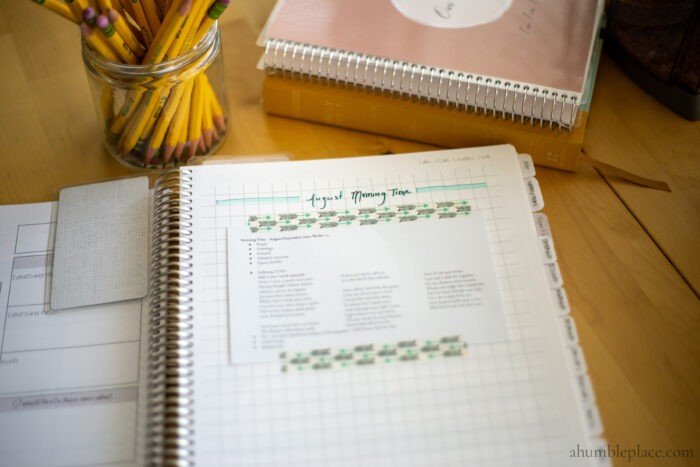
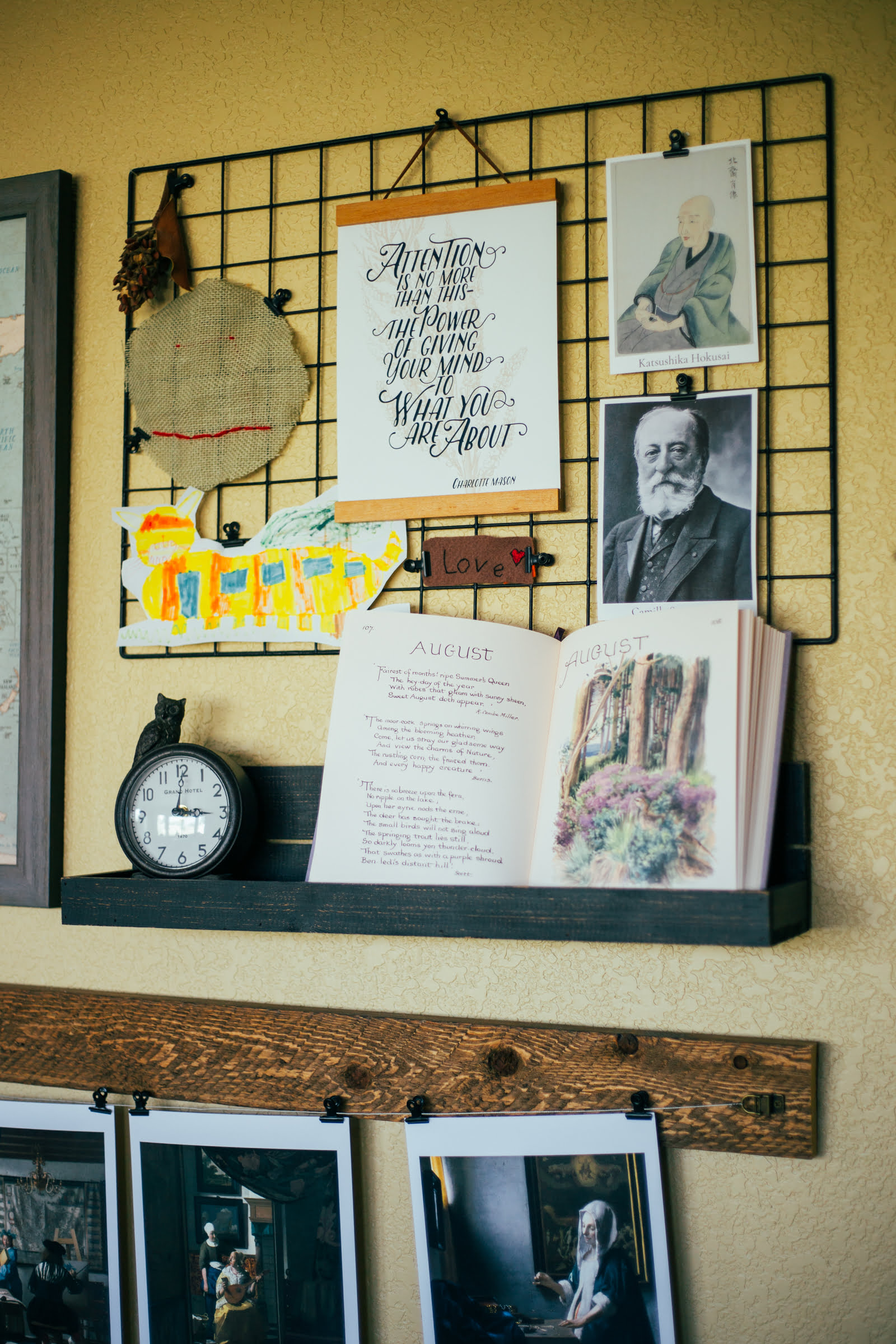
I’ll be making some changes to Morning Time from last year, mainly in that we will no longer be working on memorization (for Bible verses and prayers) or Recitation poems during that time as each child will be on their own Recitation schedule (see below). I also will no longer be reading a nursery rhyme, which is something I’ve been doing every year since we started (😭). We will continue having prayer, the Doxology, hymn, folksong, picture/composer study, poem review, and Edith Holden nature notebook reading, the Lord’s Prayer, and our Benediction, and we’ll be adding a chapter from Proverbs (to match whatever day of the month it is) as well as a summary of what we’ll be reading that day (B’s request). I’ll write out a more detailed comparison chart at the end of the year as well.
I’m also going to be taping the printed version of our Morning Time schedule into my planner this year (as opposed to keeping it in a separate binder) in the month sections to keep as much of our year as possible all in one place. I’ll eventually have a post on how I lay out my paper planner….someday.
Bible
Bible Reading List Here
ESV Thinline Bible
When I went through Year 1 with B, I played around with a few different ways to do our Bible reading, beginning with following the RCL and then another Charlotte Mason Bible-reading plan I had found. This time, I’m just sticking with the AO schedule as I eventually ended up there last time and I don’t need to complicated things!
History/Biography
History Book List Here
Biography Book List Here
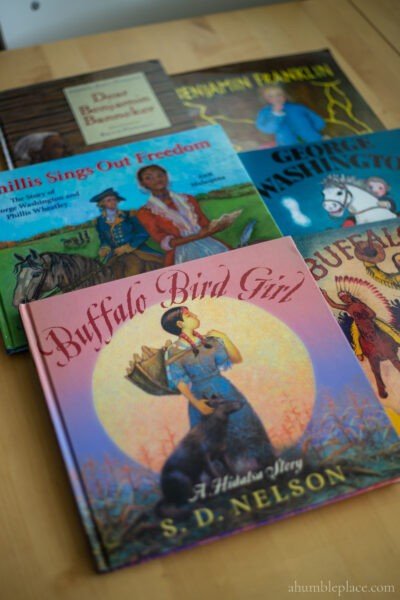
Dear Benjamin Banneker
Phillis Sings Out Freedom: The Story of George Washington and Phillis Wheatley
Buffalo Bird Girl: A Hidatsa Story
Our Island Story has made the move from B’s school cart to C’s so I’ll have another three years of this interesting book on the history of England. I’m debating doing some kind of timeline with C with the kings and queens timeline figures just so it’s easier for her (and me!) to keep them all straight, but I’m not sure yet as she’s only doing a personal timeline this year (see below).
We’ll be skipping the first two readings (both in Term 1) of Trial and Triumph due to content. When I went through Year 1 with B, I actually skipped the book entirely that year and decided I’d never use it because of the violence in those first two stories, but I decided to give it another try in Year 2 and found them to be quite a bit tamer. I’ll be pre-reading these beginning in Term 2.
For C’s kindergarten year, we read through Fifty Famous People which was a nice little introduction to the shorter-story format in Fifty Famous Stories Retold, so I know this one will work well for us.
For the d’Aulaire biographies on Benjamin Franklin, George Washington, and Buffalo Bill, I decided to expand on something I did during B’s Year 1. Around that time, I found Charlotte Mason Geek’s post on how to adapt the AO Year 1/Year 2 history rotation and she recommended Buffalo Bird Girl in place of Buffalo Bill. However, we live in the west and only just about an hour’s drive from Buffalo Bill’s grave and museum, so I didn’t want to eliminate that book from the rotation entirely. We ended up reading both, which I think offered an interesting way to compare viewpoints from two entirely different people at the same time and place in history. It also led to good discussion and I really wanted to do the same for the other two books. I know the d’Aulaires in general have been controversial in that they offer a very Euro/white-centric view of history and, in fact, we won’t be reading Pocahontas at all even though it’s listed as a free read. So this summer, I did some research and found two books that offer alternative viewpoints to the scheduled books and I plan to read those along with the d’Aulaires.
Dear Benjamin Banneker tells the story of a black, self-taught mathematician and astronomer who lived at the same time as Benjamin Franklin. The book talks about how he was interested in astronomy from a young age and ended up writing a yearly almanac from 1792 to 1797. It was sold in New England and grew to be enormously popular there. Banneker was a free man, but the plight of slaves was heavy on his mind and in 1791, he wrote a letter to Thomas Jefferson asking how he could’ve written and signed the Declaration of Independence given that he owned slaves. Jefferson sent back an evasive reply saying that he hoped for change, but then continued owning slaves throughout his life. I liked the fact that both Banneker and Franklin were self-taught, interested in the sciences, and published almanacs. Obviously one of them was a little more altruistic than the other.
Phillis Sings Out Freedom is about African-born poet Phillis Wheatley who was brought to the United States at a very young age (she was described as not having her front teeth in yet) and sold as a slave to a prominent Boston family. They eventually taught her to read and write and she became a talented poet who wrote a poem about George Washington and the struggle for America’s independence. Part of the book is about Washington’s efforts to defeat the British and the other part tells Phillis’s story. This includes how she came to this country and her life as a slave as well as her eventual emancipation. I also really liked A Voice of Her Own and may include that in the future, but didn’t feel it fit C’s comprehension level right now.
Geography
Geography Book List Here and Here
Beautiful Feet Books Map (I got it in the set)
Round two of Paddle to the Sea! I still want to get one of those little canoes…. C will also be coloring along on the Beautiful Feet Books map which B did as well. I plan to hang them next to each other in the basement so we have a little record of both kids’ journeys through the Holling books. 🙂
Natural History/Science
Natural History/Science Booklist Here
C has been a long-time fan of Thornton Burgess and I think has a considerable number of his books memorized as I’ve made a lot of use of all the free books on Librivox for her. She is also very much looking forward to James Herriot!
Nature Study
Nature study is a mystery at this point as we’ll be doing that with our co-op, which won’t meet the first time until this Friday. We made a few changes this year and will be having an object lesson in the morning and then a nature walk in the afternoon on co-op days, which I think will be good and more immersive. My friend Jennifer, who is starting her own nature school, has been leading us in nature study for the last three years and I’ve found her guidance in this area to be wonderful.
Penmanship/Copywork
Worksheetworks.com Print Practice
I started B’s first grade year with manuscript copywork but then switched him to cursive mid-year. I may do the same with C but I want to make sure she’s ready before I make the swtich. For now, I’ll be making manuscript copywork pages from Worksheetworks.com using the copywork selections from the old AO Copywork Yahoo Group.
Phonics/Reading
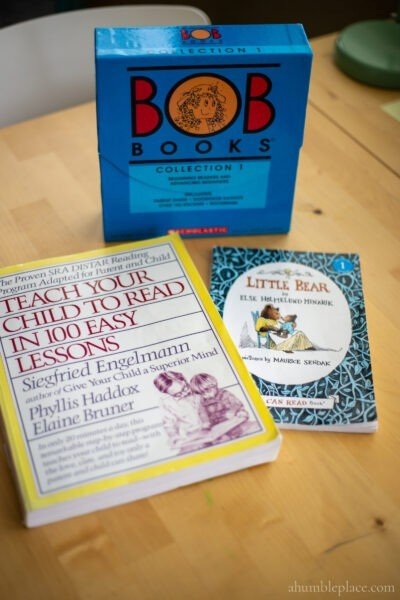
Teach Your Child to Read in 100 Easy Lessons
Bob Collection 1
Bob Collection 2
Little Bear
We will spend three days per week working through Teach Your Child to Read… and then the last day of the school week reading one Bob book together. Once we finish Bob Collection 1 (24 books), we’ll move on to Collection 2. When I went through Teach Your Child to Read…. with B, I ended up breaking the last lessons up into two days as they were quite a bit longer than the earlier lessons. Even with that, we should be able to finish the book by the end of the year and we’ll begin reading the Little Bear books.
Math
She finished MEP Reception in the spring and it prepared B so well for RS Level B that I’m expecting the same for her. I splurged when B entered first grade and got the whole RightStart Math Set along with the Level B book bundle. It was a big upfront cost, but I have used every single one of the manipulatives with B and will now be using them with C so I definitely think it was worth it!
Foreign Language
Salsa + Wyoming Department of Education Salsa Materials
De Colores
We’ll be continuing with Salsa videos once per week, then one of the activities from the Wyoming DoE Salsa Materials another day, and the other two days singing our Spanish folksong from De Colores.
Poetry
I’ll be reading one poem per day to her from the books assigned for each term.
Literature
We’ll be following the book list above for the most part. I’ll be teaching lower-form Shakespeare in our co-op again this year and I hope to read Lambs’ version of The Tempest in Term 1. I haven’t decided if I will also read A Midsummer Night’s Dream at home as well but I’m leaning that way as B has already had all of these plays and I’d like C to get the Lambs’ versions of them as well before we begin reading the real plays in Form II. If we only read the one per term in co-op, we won’t get through all of them.
I’m also looking at Lambs’ versions of The Winter’s Tale in Term 2 and Twelfth Night in Term 3.
Timeline
C will be doing a personal timeline this year like her brother did during his Year 1. Each box represents three months and I’ll go through all of my photos from those three months, select a few of bigger events like holidays or birthdays, then print them out on one sheet of paper so she can pick which one she wants to draw in the box for that quarter.
Recitation
Ruminating on Recitation Article (read this first!)
Recitation Guidelines and Student Log
C will be learning an Old Testament passage, a New Testament passage, a Psalm, and a poem over the course of each term (per the instructions in the article and log linked above), which I will read to her once every day and then she will recite at the end of the term.
Art
Picture Study
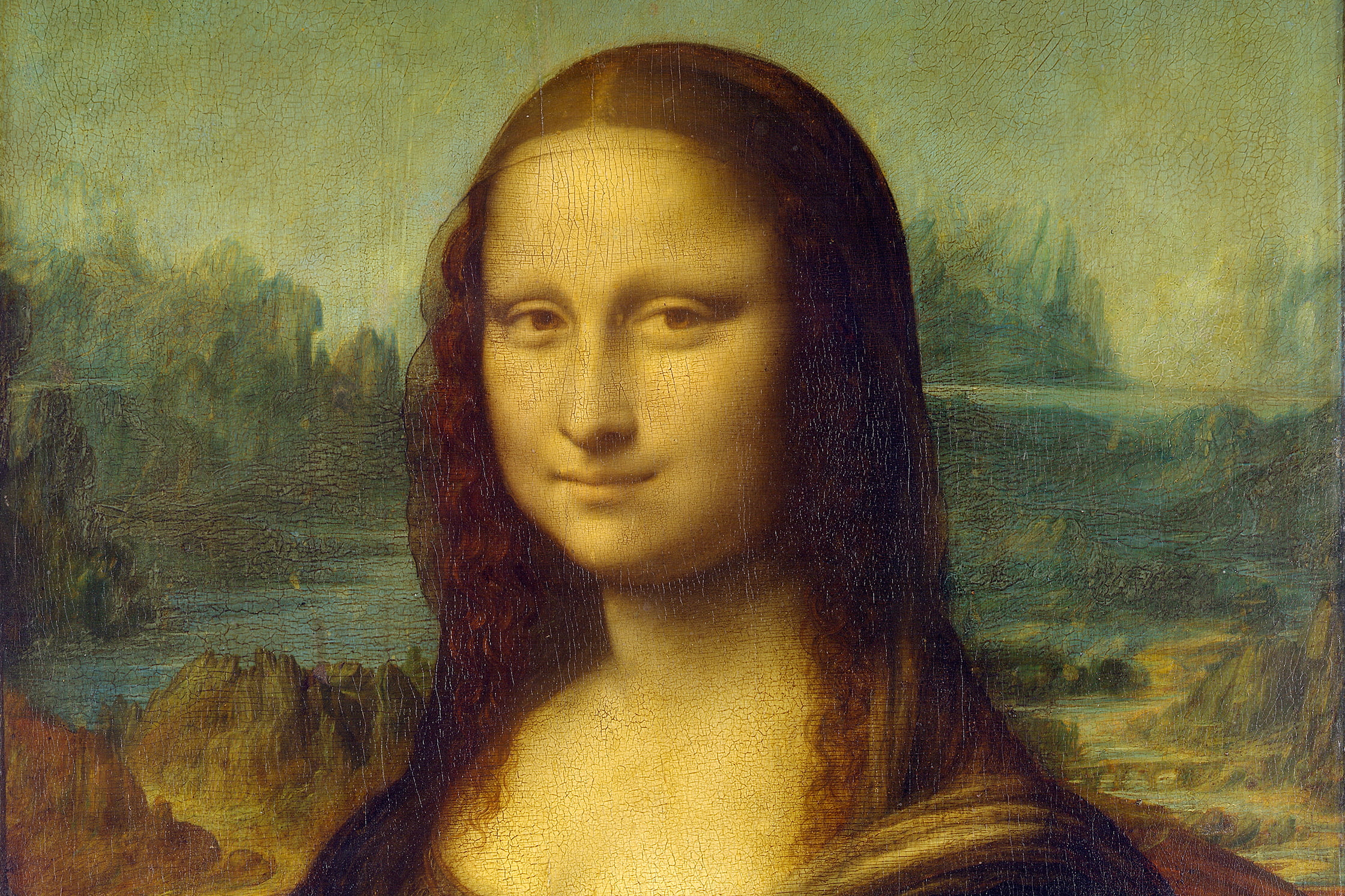
I’ll be teaching picture study in our co-op once again this year and in the first term we’ll be focusing on Jan van Eyck which is terribly exciting for me as he’s a favorite of mine. 🙂 One of the other terms will be Diego Velázquez and I haven’t decided on the third artist yet.
Drawing
What to Draw and How to Draw It
C will do one drawing per week from What to Draw and How to Draw It. I will keep all of these in her school-year binder (which is another post I need to make…).
Music
Composer Study
Composer Study will also be covered in co-op so I don’t know who that will be either, but I remember hearing something about Gregorian chant for Term 1, which sounds very interesting!
Folksong/Hymn
These are also both co-op subjects, but I’ll be teaching folksong so we were able to start that with the beginning of our school year. Our period in history is 800 to 1650 AD, which feels like a challenge in terms of finding good folksongs (though I’ve already picked the first one!), but I think the challenge will be good for me.
Handicrafts
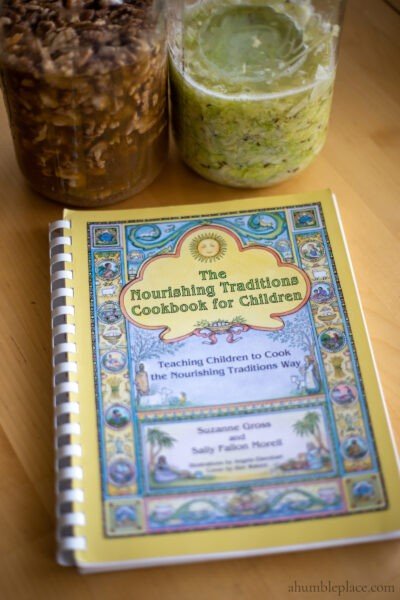
Nourishing Traditions Cookbook for Children
We will no longer be doing handicrafts in co-op this year, so I decided we would learn some cooking skills in Term 1. I include this book in the kindergarten curriculum, but it’s only a few recipes so I’m going to use Term 1 as a chance to really dive into it. I’m actually really excited about this as splitting up the book worked really well and I had the kids pick which recipes from each chapter they wanted to make. As of right now, I have a reading scheduled on Tuesdays and then cooking scheduled on Thursdays during our morning lesson time. It’ll be interesting to see how this works, but I’m thankful we can be flexible and use the afternoons if we need to.
In Terms 2 and 3, I may try some origami with her, which is what B did during his Year 1 in co-op, or I may just move on to paper sloyd. I’ll write more about what I decide in the end-of-year recap post.
Physical Education
PE was another subject that was taught in co-op that we’ll be bringing home this year. I’m going to be continuing with the last routine in Swedish Drill Revisited and moving on to Swedish Drill Revisited II once we finish that.
I’m both intimidated but also excited to have two grade-school students as the last three years with really just one student have been manageable. I’m up to the challenge, though, and excited to what her learn and grow!
Enter your email address here to get updates and exclusive downloads, including a free Picture Study Aid!
(If the form is not loading for you, you can also sign-up here!)


Hi Rebecca!
I am going to be starting our homeschool this coming fall and, as you can imagine, I have been waist-deep in research and curriculum, etc. I just wanted to say thank you so much for you work here. I’m not sure if you get a lot of feedback, but my family is gonna benefit from your thoughts, findings, suggestions, and resources here. As a POC, some of the CM curriculum I find can be staggeringly one-sided when I comes to certain subjects, so I especially appreciate the diversity in the books of varying historical people and bios here in this post.
It’s currently 11pm where I am and after about 2 hours of research tonight, it was just a breath of fresh air to stumble upon your blog.
Thank you for your kind comment, Ariana! And I’m glad that you’ve found what I share helpful! I know I get so much inspiration when others share their homeschooling journeys, so it’s been fun to share mine as well. 🙂
Hi, there. I was just wondering how you approached explaining that the original rough draft of the Constitution outlawed slavery and that only two men voted against it? At this age, did you try to find a book that explained that 9 of the 13 original states had already banned slavery in their state constitutions? Or did you find it easier to just slide that into the discussion?
And also, when your kids ask about how slavery became legal, what do you use to explain Johnson vs. Parker and everything that happened to John Casor in an age-appropriate way. Right now, I’m running short on resources.
Thanks for your questions, Emmory! The topic of slavery in US history is a very important one and definitely needs to be addressed and discussed with our children. In Year 1, we didn’t go in-depth to the extent that you’ve specifically mentioned here. However, we did talk about slavery and the experience of African and Black Americans (and the Hidatsa tribe) living in the US in other ways, particularly through the books I mentioned in the “History/Biography” section in the post. Later in my kids’ education in Year 4, we had deeper discussions about these topics, including Jefferson’s statement in the original draft of the Declaration of Independence condemning slavery that was later removed before it was signed. Along with that, through Year 6, we read stories of African Americans who were either directly or indirectly involved in, or alive around the time of, the American Revolution. In Year 8, as we journeyed through the history not only of the United States but also of the rest of the world, we learned how slavery spread, particularly from Africa into North and South America. And in Year 9, we also read about the debates at the Constitutional Convention about how slavery was to be addressed (or not addressed) in the Constitution itself.
Charlotte Mason suggested that children learn better through the example of stories (especially for children in Year 1), but I am not familiar with one that specifically tells the story of John Casor. One book you might be interested in for a child of that age is called “Mumbet’s Declaration of Independence,” which is about Elizabeth Freeman and how she sued for her freedom in Massachusetts, but this was quite a bit later than Casor (1781).
The beauty of homeschooling is that, because we are the ones reading these stories to our kids, we can have these deep discussions with them and include more information as they get older and are able to understand more. My kids and I have had so many good conversations about these very hard, dark, and significant aspects of US and world history over the last ten years, and I know we have more to come.